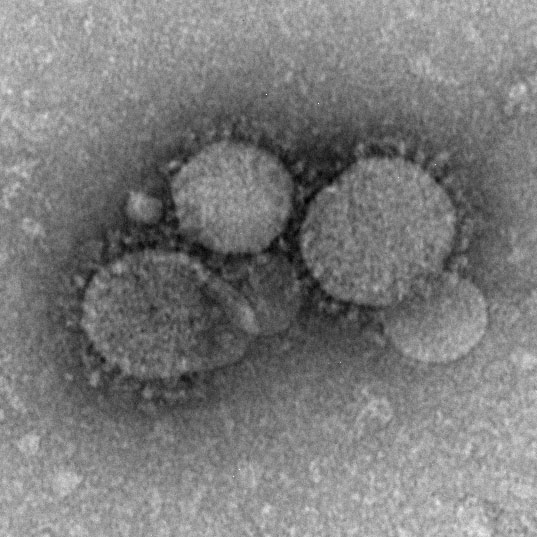
 It's hard for me to know how to interpret the
MERS situation in South Korea. At a high level, a recently recognized viral respiratory pathogen has traveled halfway
around the world and is causing morbidity and mortality in a small
section of an immunologically naive population. It appears to be
associated with hospitals. What do we take away from this? Lessons will be learned when the event subsides and people study what happened, but to me, MERS reminds us that outbreaks of pathogens for which there are no vaccines or
drug therapies underscore the importance of prevention.
When possible, preventing pathogens from physically reaching or entering a host by respiratory, percutaneous, alimentary, blood et al pathways is preferable to relying on pharmaceutics. Drugs tend to be complex and costly to develop, can take a long time to enter the marketplace, and -- especially in the case of antibiotics and antivirals -- they can become obsolete over time. Moreover, drugs are often toxic to the patient. Prevention is applicable in situations when appropriate drugs don't exist (e.g., for newly emerged pathogens), when it isn't possible to administer drugs in a timely manner, or when patients cannot tolerate them.
Consider two anecdotes related to the spread of MERS virus in South Korean hospitals. As described by Choe Sang-Hun, it appears that the index patient in the
South Korean event had "coughed and wheezed his way through four
hospitals before officials figured out, nine days later, that he had
something far more serious and contagious." Furthermore, ED wait times in Korea can be extraordinarily long by US standards. Another patient, who waited two-and-a-half days in the emergency department before a hospital bed
became available, infected 55 additional individuals during their wait. Apparently, 2.5 days isn't an unusually long waiting time in some Seoul hospitals.
Applying
effective prevention measures to patients suspected of infection is the
only way of stopping the chain of transmission in such environments. Unfortunately, it is unclear how to achieve good infection control for MERS and a range of other pathogens. Eli Perencevich described the issue clearly, as usual, in the Controversies in Hospital Infection Prevention blog
recently:
. . . we don't actually know how to achieve good infection control for MERS and the other diseases he [Tom Frieden] mentioned [measles, DR-TB, SARS, Ebola]. If only we invested in studies to understand how to best implement PPE in these [hospital] settings. One could imagine improved PPE technology, refined PPE donning and doffing algorithms and enhanced environmental cleaning as potential targets for future studies examining optimal protection from MERS. Not coincidentally, many of these are the same targets that Mike, Dan and I mentioned in our Ebola+PPE editorial several months ago. If we invest in infection prevention technology and implementation research, our health care system will be safer regardless of the pathogen du jour.And that's the point that MERS makes me think about. Yes we need antimicrobials and vaccines that work against specific pathogens, of course we do, but developing such drugs is a major effort. Biochemical pathways must be understood, pathogen life histories and survival strategies must be elucidated, and the host response must be characterized among many, many other things. Doesn't it make sense that research on pathogen-agnostic approaches to prevention, which don't require such specific and complex information, might be simpler and broadly applicable?
Investing in research on infection prevention approaches, and how to implement them sustainably in realistic clinical environments, would pay benefits far beyond helping to thwart the spread of exotic and newly emerged pathogens. We may learn how to better control and prevent the usual suspects of hospital associated infection, which, afterall, are responsible for a tremendous burden of disease day in and day out.
(image source: Wikipedia)


