Showing posts with label risk communication. Show all posts

Sunday, August 17, 2014

Outbreaks and do-overs

Distribution map showing districts and cities reporting suspect cases of EbolaThe current Ebola outbreak in Western Africa has been remarkable in terms of the number of cases and deaths; length and geographic extent of the outbreak; and its designation as a public health emergency of international concern. What could have been done differently to change the course of events? Thorough analyses of the outbreak and response will be done, and that will take time, but I think there are several things to consider.

More international assistance early in the outbreak. Early intervention is a mantra of modern medicine and public health, and indeed organizations like MSF and others brought impressive resources to bear early in the outbreak. Yet, transmission wasn't controlled and the epidemic grew. More resources are needed urgently. In hindsight, greater multilateral international aid earlier in the outbreak was needed, but how can nations know when NGO efforts need supplemental resources? Perhaps studying the early phases of this outbreak can suggest a way.

Better communication. The social disruption evident in this event is painfully clear and may have been intensified by the difficulty of communicating important public health messages. Anecdotes of healthcare workers being attacked and of disbelief that Ebola virus even exists are but two examples.

Balanced communications in the United States was mixed. On the one hand, many valid messages were circulated, including that Ebola poses little risk to the US general population. On the other hand, one expert told Congress that
We know how to stop Ebola with strict infection control practices, which are already in widespread use in American hospitals, and by stopping it at the source in Africa.
The second part of the statement is true enough: stopping an outbreak before it spreads is canonical in public health. However, the first part of the statement implies that strict infection control practice can prevent infection of healthcare workers and others in a hospital. That's a little problematic. If that were so, there wouldn't be problems with hospital-associated infection in the US.

By that calculus, for example, the 2011 outbreak of KPC-producing Klebsiella pneumoniae at the NIH shouldn't have occurred -- and yet the infection control practice in that event was meticulous from the initial presentation of the patient at the facility. What if an Ebola patient isn't recognized immediately when presenting at a US emergency department? And if a case is recognized, is infection control as it is actually carried out in practice likely to be effective? Such questions apply to any nosocomial pathogen, and I think it's important to ask: Given that KPC escaped a patient's room even with full precautions, why not Ebola?

Drug therapy. There are no approved treatments for, or vaccines against, Ebola virus infection. The development of new drugs is a scientifically, economically, and politically complex activity. The urgent need for new antibiotics, for example, has been discussed in connection with a large and growing need. The CDC recently reported that
Each year in the United States, at least 2 million people become infected with bacteria that are resistant to antibiotics and at least 23,000 people die each year as a direct result of these infections. Many more people die from other conditions that were complicated by an antibiotic-resistant infection. 
That's a massive burden of disease compared to the Ebola outbreak at present. Every case of any infection deserves effective management, but where is the incentive for drug development for Ebola and other exotic, low incidence infections? It is literally taking on act of Congress to help spur new antibiotic drug development in the US. Clearly drug therapies for Ebola would have been beneficial in this outbreak, and how to incentivize development seems an important question. In the absence of effective therapies and drug regimens, misinformation about bogus cures inevitably spreads and requires time and resources to counter.

Certainly these and related issues will be discussed and studied in depth in the coming months and years. Answers to the question of what could we do better next time must be found, because there will be future outbreaks of virulent emerging infections. How will we react?

(image source: CDC

Thursday, February 27, 2014

Raw milk: The risks

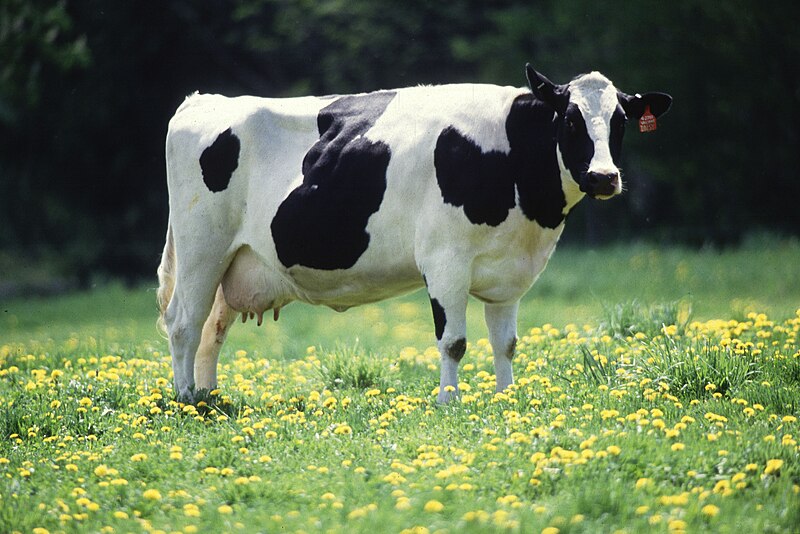
File:Cow female black white.jpgAfter the last post, a colleague suggested that it might be helpful to highlight a few of the dangers of raw milk. So, here's a brief resume.

Drinking raw milk or eating products made from raw milk (e.g., cream, soft cheeses, yogurt, ice cream) can be dangerous if the unpasteurized milk is contaminated with any of a number of pathogens, including Salmonella spp., Escherichia coli, Campylobacter, and Listeria

Salmonella spp. bacteria can cause diarrhea, fever, and abdominal pain. Most people recover without treatment, but some require hospitalization. Recent outbreaks of salmonellosis associated with raw milk include those in Chester County, Pennsylvania, in December 2012 and Texas, in 2010-2011

Escherichia coli can cause a spectrum of disease, including diarrhea and fever, and can progress to bloody diarrhea, dehydration, and hemolytic uremic syndrome (HUS), a severe complication which can cause kidney damage and death. Small children are especially susceptible to HUS. There were outbreaks from raw milk in California in 2006 and Tennessee in 2013.

Campylobacter jejuni can also cause diarrhea, cramping, abdominal pain, and fever. The diarrhea may be bloody and can be accompanied by nausea and vomiting. Cases of campylobacteriosis associated with raw milk consumption were observed in Pennsylvania in 2013.

In fact, Pennsylvania has had several outbreaks of salmonellosis and campylobacteriosis in recent years, including recurrent outbreaks associated with the same producer dairies. A recent MMWR noted:
Repeat outbreaks from raw milk producers are not uncommon and not limited to Campylobacter. During 2005–2013, Pennsylvania experienced 17 salmonellosis and campylobacteriosis outbreaks associated with retail raw milk. Five producers had more than one outbreak during that period. Bacterial contamination of raw milk can occur even under optimal conditions; seasonal changes in bovine bacterial shedding or inadequate quality control during milk collection might contribute to outbreak recurrence. Findings here and elsewhere indicate that compliance with state regulations and increased producer awareness after an outbreak are insufficient to prevent future outbreaks. 
Listeria monocytogenes is known for causing disease in newborns, pregnant women, the elderly, and immunocompromised persons, though people outside these risk groups can also be affected. In pregnant women, listeriosis can cause miscarriage, fetal death, or illness or death of a newborn. Listeria has been found in raw milk in South Dakota in 2014 and illness and death resulted from products made from raw milk in Maryland in 2014.
Brucella spp. bacteria are a threat mostly outside the United States. Recent brucellosis associated with raw milk and related products has been described in Spain, Israel, and France, among many other nations.

Because of the dangers involved, Pennsylvania requires that menus in establishments serving raw milk and related products carry the following disclaimer:
Raw milk has not been processed to remove pathogens that can cause illness. The consumption of raw milk may significantly increase the risk of foodborne illness in persons who consume it -- particularly with respect to certain highly-susceptible populations such as preschool-age children, older adults, pregnant women, persons experiencing illness, and other people with weakened immune systems.
Other states have similar requirements, but as I argued in the last post, it's important to understand why raw milk proponents don't heed the warnings. Only then can we conceive ways to reach out more effectively.

In the meantime, just say no to that raw milk latte.

(image source: Wikipedia)

Wednesday, February 26, 2014

Raw milk and name calling

I've seen several bumper stickers recently espousing the virtues of drinking raw milk. Although selling unpasteurized milk is illegal in most states, you'll find a virtual counterculture that has rejected pasteurization if you search around the Internet. Depending on the website, there are claims that raw milk alleviates allergies, remedies digestive problems, and reduces susceptibility to asthma.

Many of these sources attempt to justify such views with evidence and logic that few clinicians, microbiologists, or public health practitioners would find compelling. In some ways, such views are akin to those voiced from the anti-vaccine movement: They tend to latch on to the occasional, single study with limited findings as scientific validation of their beliefs, while discounting a substantial scientific literature identifying the risks. The truth is that the practice of drinking unpasteurized milk threatens the health of anyone consuming it, especially children and pregnant women.

It's critically important to understand these views (to the extent possible) and not simply write off the people believing them as belonging to a lunatic fringe and call them dumb and stupid. There are raw-milk advocates who eventually come to realize the risks they are taking and change; isn't it better to understand that process and avoid alienating people who might ultimately do the same?

I am reminded of a BMJ Quality & Safety article about Ignaz Semmelweis and the birth of infection control. At the end there is a passage that discusses the inadvisability of trying to convince people of anything by using insults, public humiliation, and haranguing. In talking to (and about) those who advocate drinking raw milk, we should watch the rhetoric. There's a difference between communicating risk and alienating people. Good risk communication can be effective, whereas alienation probably reinforces the behavior in need of modification.

(image source: David Hartley)